
Guides
Guides, explainers and comparisons on fintech infrastructure, built on primary sources.
Embedded lending: models, lenders of record, rules
Credit inside software a merchant already uses: the models, the lender of record, and the US rules.
Best loan origination software: 8 systems compared
Eight loan origination systems compared on loan types, clients, API docs and published pricing models.
How to choose a loan origination system: seven checks
Seven checks for choosing a loan origination system: scope, handoff, integrations, compliance, pricing, APIs, exit.
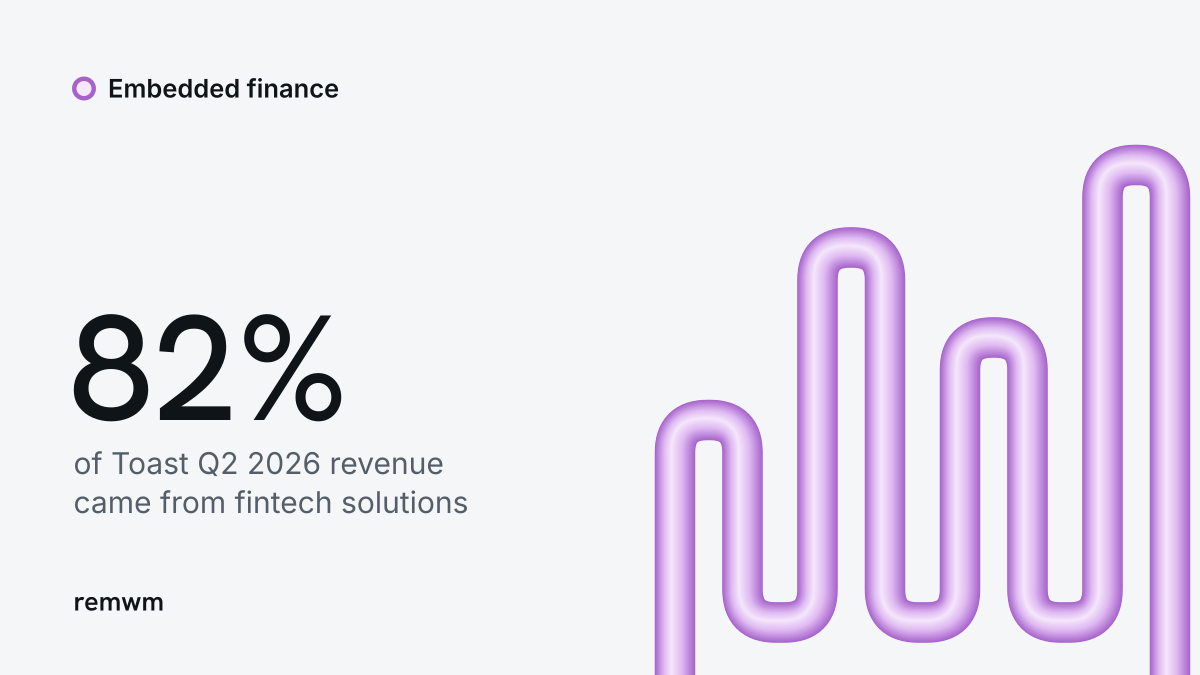
Embedded finance for vertical SaaS: models and risks
How vertical SaaS platforms add payments, accounts, cards and lending, and what the public filers report.
How to read a bank consent order: a guide for fintechs
What a bank consent order is, where to find it, which clauses limit fintech partners, and how orders end.
Loan origination software comparison: four platforms
Four loan origination platforms side by side: loan types, clients, regions, pricing model and API docs.
POS financing platforms: how point-of-sale lending is built
How a POS financing platform matches shoppers to lenders, who the lender of record is and which rules apply.
Debit Card Issuing: How to Launch a Program
The bank, network, processor and program manager behind a debit card, plus the Durbin cap and Regulation E.
Best embedded finance APIs: 16 compared by layer
Embedded finance APIs for accounts, payments, cards and lending, compared on published docs, sandboxes and limits.
What is embedded finance? Definition, chain and licenses
Embedded finance is a non-bank company offering payments, accounts, cards or loans inside its own software.
Banking as a service providers in 2026: seven US options
Seven US banking-as-a-service providers that meet published criteria, with their banks, products and API docs.
Banking as a platform vs banking as a service
Banking as a platform keeps the bank's brand and customer; BaaS puts a licensed bank behind someone else's brand.
Embedded payments: how platforms take payments for users
Who registers as the PayFac, who onboards sellers and whose balance takes chargebacks, model by model.
PayFac vs PayFac-as-a-service: who carries the risk
Who registers with the card networks, who funds sellers and who absorbs the chargebacks in each PayFac model.
Tokenization platforms: 11 compared by standard and chain
Eleven tokenization platforms, with the token standard, chains, license and API docs each one publishes.
What Is RWA Tokenization? How Tokenized Assets Work
How BUIDL, FOBXX, Figure and JPM Coin put funds, loans and deposits on-chain, and why US securities law still applies.
How to choose an issuer processor
Authorization windows, networks, bank partners, uptime evidence and exit terms decide which issuer processor fits.
Payment gateway API: how it works and what to compare
The endpoints behind a card payment: authorize, capture, refund, tokenize, and the PCI scope each choice creates.
BaaS platforms compared: models, banks and pricing
Nine BaaS platforms side by side: model, accounts, payments, named partner banks and published pricing.
Six payment orchestration platforms compared
Six payment orchestration platforms that meet published criteria, compared on connections, routing, vaults and pricing.
Tokenization Companies: 6 Platforms Compared
Registrations, chains and products for six platforms, taken from SEC, FINRA and company filings, with no ranking.
Embedded lending platforms: six providers compared
Six embedded lending platforms compared on who makes the loan, how it is funded, where it runs and what is published.
Virtual Card Issuance: How Programs Work
Who issues a virtual card, how each number is controlled, and which US rules apply to consumer and business programs.
Payment orchestration: how routing across processors works
How one integration can route card payments across several processors, and what it does not replace.