
Guides
Guides, explainers and comparisons on fintech infrastructure, built on primary sources.
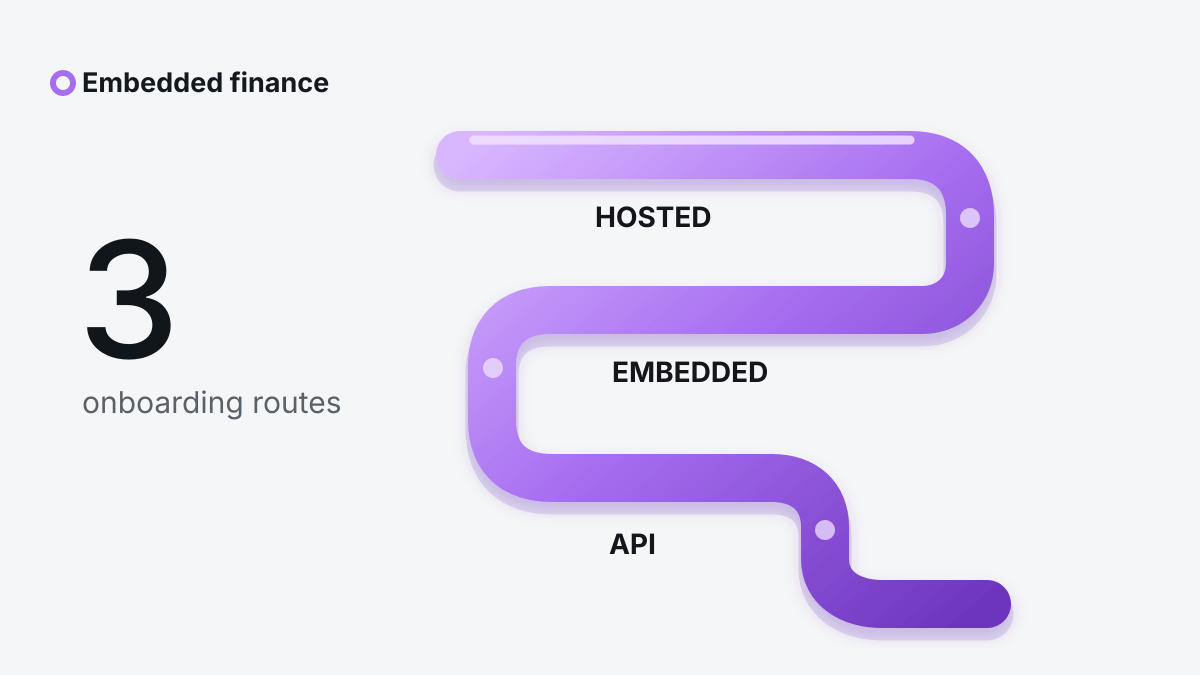
Connected account onboarding: hosted, embedded or API
How to choose hosted, embedded or API onboarding for connected accounts, and what each route makes your team own.
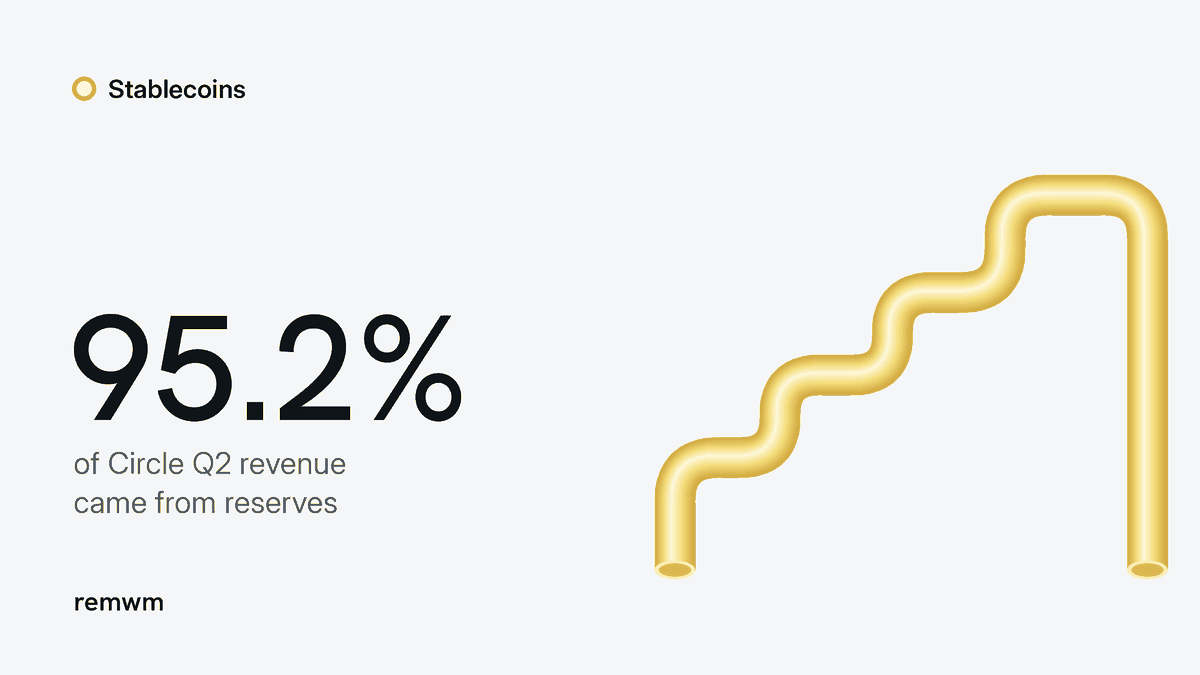
How stablecoin issuers make money
Reserve income, partner payments and platform fees: a sourced guide to how stablecoin issuer economics work.
Instant card issuance: a virtual-first launch guide
How virtual-first card programmes handle holders, controls, PCI scope and physical fulfilment.
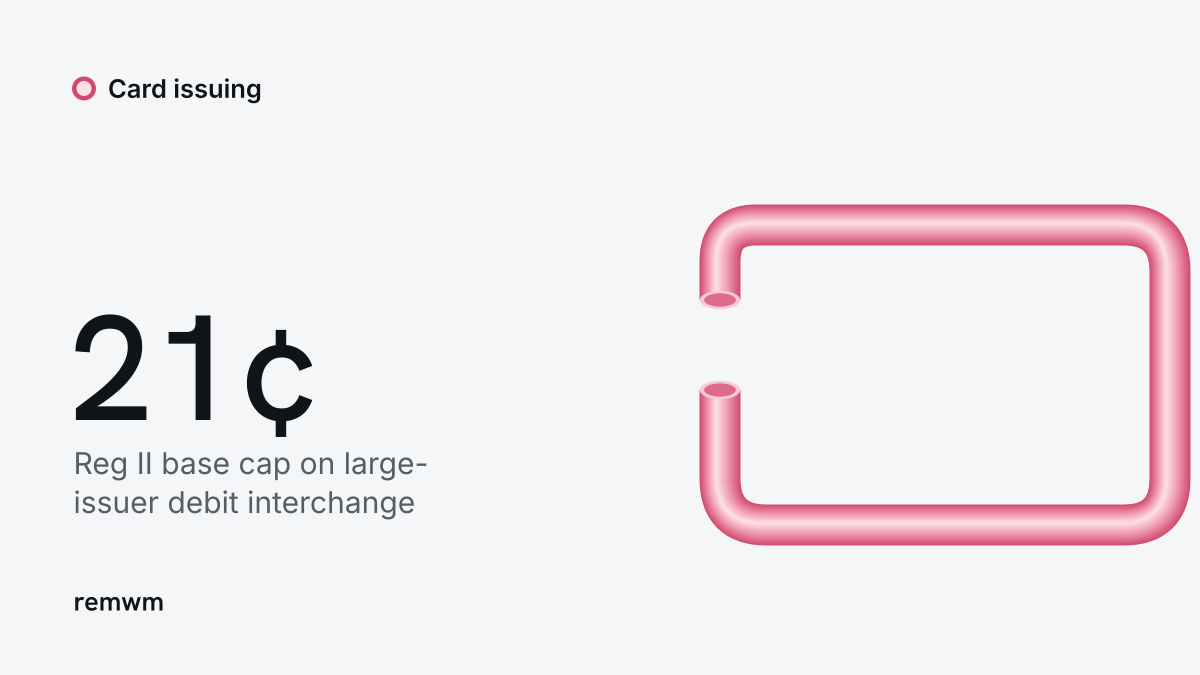
Card issuing vs acquiring: issuer, acquirer and interchange
The issuer serves the cardholder, the acquirer serves the merchant, and interchange flows between them.
Issuer processor vs payment processor: who does what
Issuer and merchant processors sit on opposite sides of a card transaction. Here is how the roles split.
Payment gateway vs PSP vs orchestration
A gateway moves payment data, a PSP bundles more of the stack, and orchestration coordinates routes across providers.
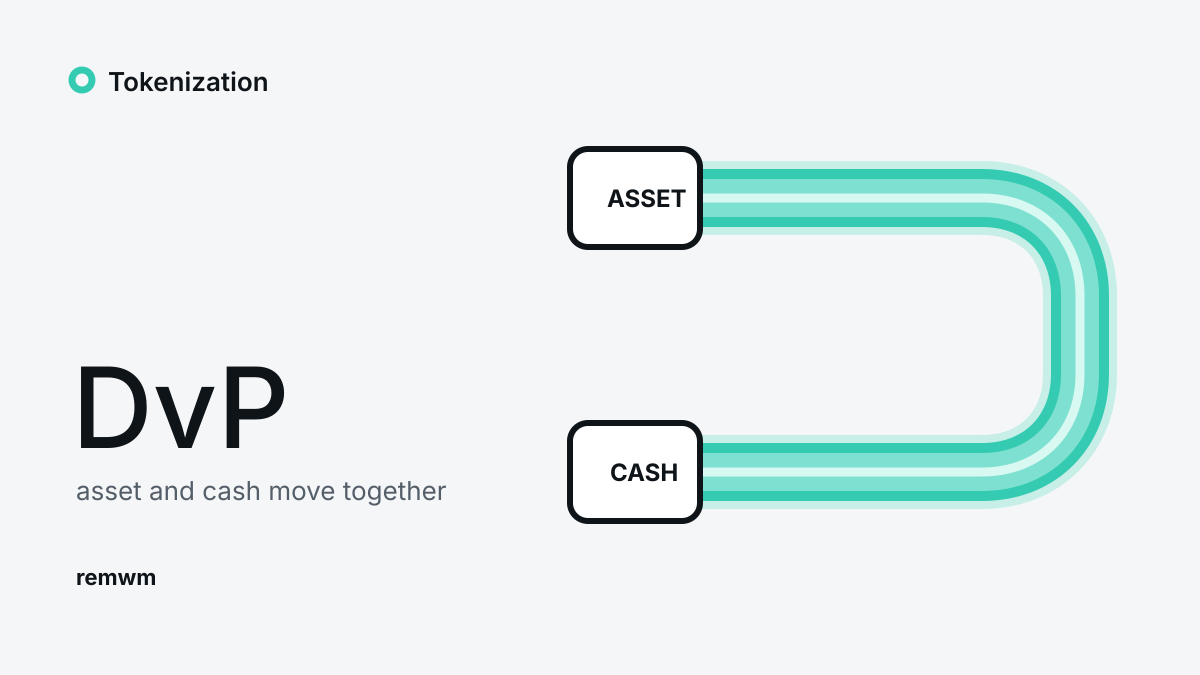
Tokenized asset settlement: how DvP works
How tokenized assets and cash settle together, and which risks remain after delivery versus payment.
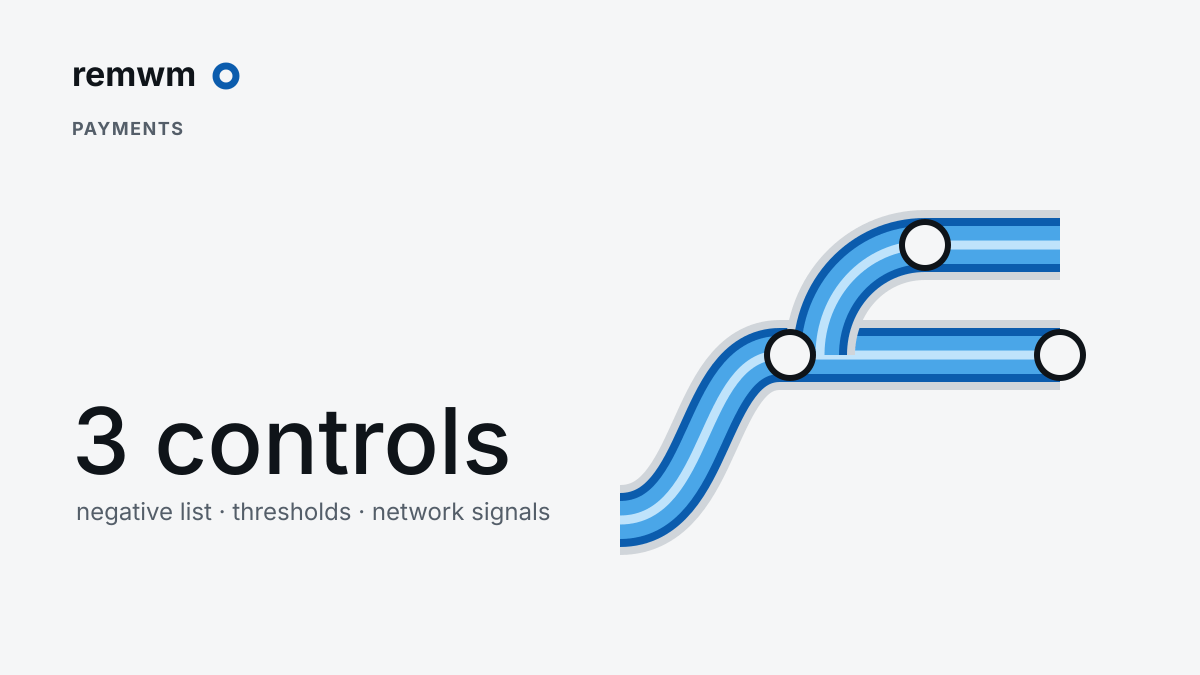
FedNow fraud controls: lists, thresholds and network signals
How FedNow negative lists, activity thresholds and network insights fit into a bank's fraud stack.
BIN sponsorship operating model: roles and controls
How sponsors, program managers, processors and card schemes divide work and control risk.
Core banking migration checklist: data to cutover
A practical checklist for data mapping, rehearsal, reconciliation, cutover and go-live control.
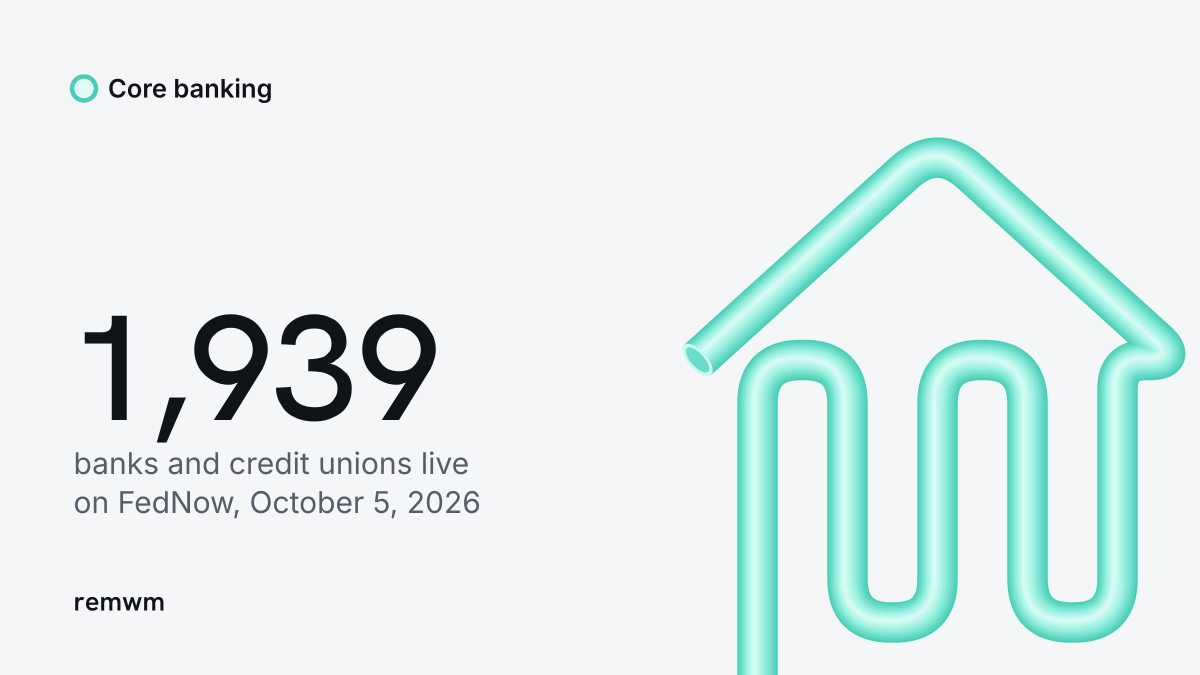
FedNow participation: how banks and cores connect
FedNow participation is set per routing number, and the core must post around the clock.

What is a sponsor bank? How sponsor banks work for fintechs
A sponsor bank lends its charter or network membership to a non-bank, and keeps the regulated responsibility.
Embedded Invoice Financing for B2B Platforms
How B2B platforms embed invoice finance without losing track of roles, controls or receivables data.

Stablecoin on and off ramp APIs: five providers compared
Bridge, Circle, Brale, Paxos and Coinbase document very different ways to turn dollars into stablecoins and back.
Marketplace Chargebacks: Platform Debits and Recovery
A seller can receive a payout while the platform still bears the chargeback debit. The charge model matters.

Loan Servicing Migration: Schedules, History and Balances
A loan balance can match after migration while its repayment schedule or transaction history is wrong.
Sponsor Bank Due Diligence: Contracts, Controls and Data
Review the fintech, contract, controls, data access and exit plan before a sponsor bank program launches.
Embedded Payments for Logistics: Charges and Carrier Payouts
A shipment can involve a customer charge and several supplier payments. Connect the records before moving the money.
Embedded Payments for Healthcare: Bills and Payouts
Embedded payments for healthcare: connect patient bills, payment status, refunds and practice payout reports.

Embedded payments for accounting software: a guide
Merchant roles, fees, reconciliation and delayed payment confirmation for accounting platforms.
Tokenized collateral: what the CFTC allows for margin
What CFTC staff allow when Treasuries and fund shares posted as margin are tokens on a blockchain.

Virtual accounts: how banks and platforms use them
How virtual account numbers sit on one bank account, what banks support, and what platforms must track.
Commercial card issuing: card types and credit models
Corporate, purchasing and business cards for platforms: who lends, which rules apply and what interchange pays.
Ledger as a service: how fintechs keep the books
What a ledger API records, how it differs from a bank core, and why sponsor banks ask for its balances.
Start with the section overviews for lending software and BaaS and sponsor banks, the provider directory and the sponsor bank enforcement actions tracker. Every guide lists its sources and the date we checked them.