
Payments
Guides to payments infrastructure: embedded payments, orchestration, PayFac, gateway APIs, payouts and tokens.
Payment gateway vs PSP vs orchestration
A gateway moves payment data, a PSP bundles more of the stack, and orchestration coordinates routes across providers.
FedNow fraud controls: lists, thresholds and network signals
How FedNow negative lists, activity thresholds and network insights fit into a bank's fraud stack.
Marketplace Chargebacks: Platform Debits and Recovery
A seller can receive a payout while the platform still bears the chargeback debit. The charge model matters.
Virtual accounts: how banks and platforms use them
How virtual account numbers sit on one bank account, what banks support, and what platforms must track.
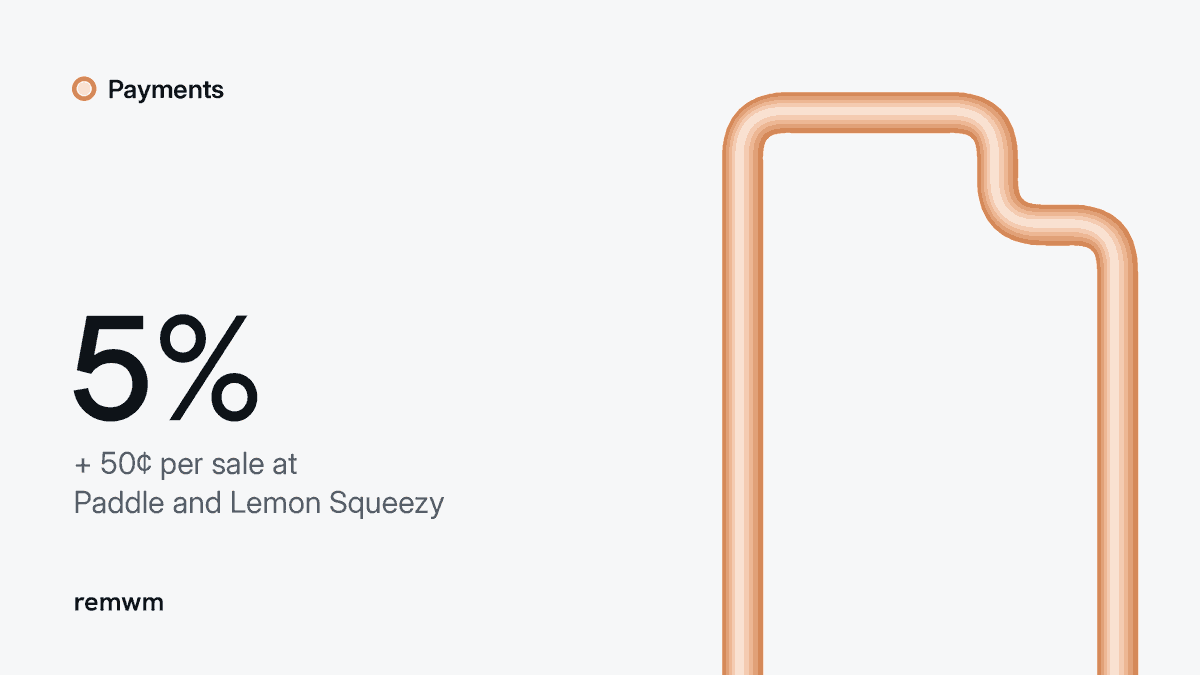
Merchant of record: what it covers and when to use one
The merchant of record is the legal seller. Here is what the role covers and what MoR providers charge.
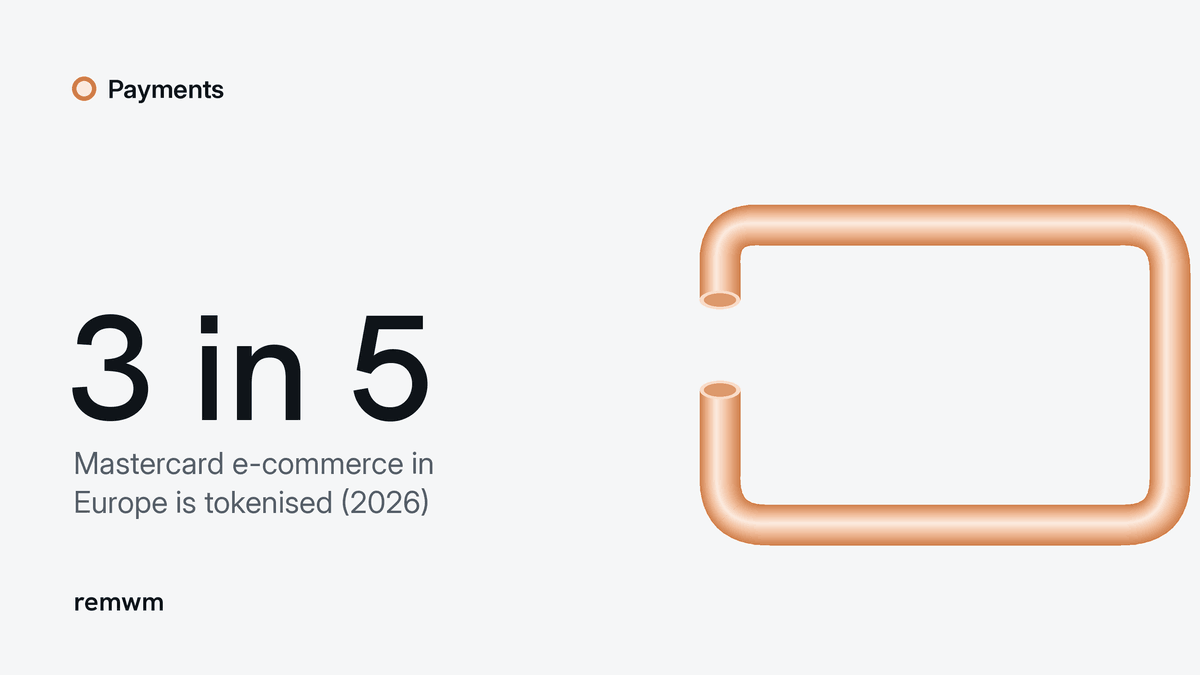
Network tokenization: how card network tokens work
Card networks now swap stored card numbers for merchant-bound tokens. Here is how they work and who requests them.
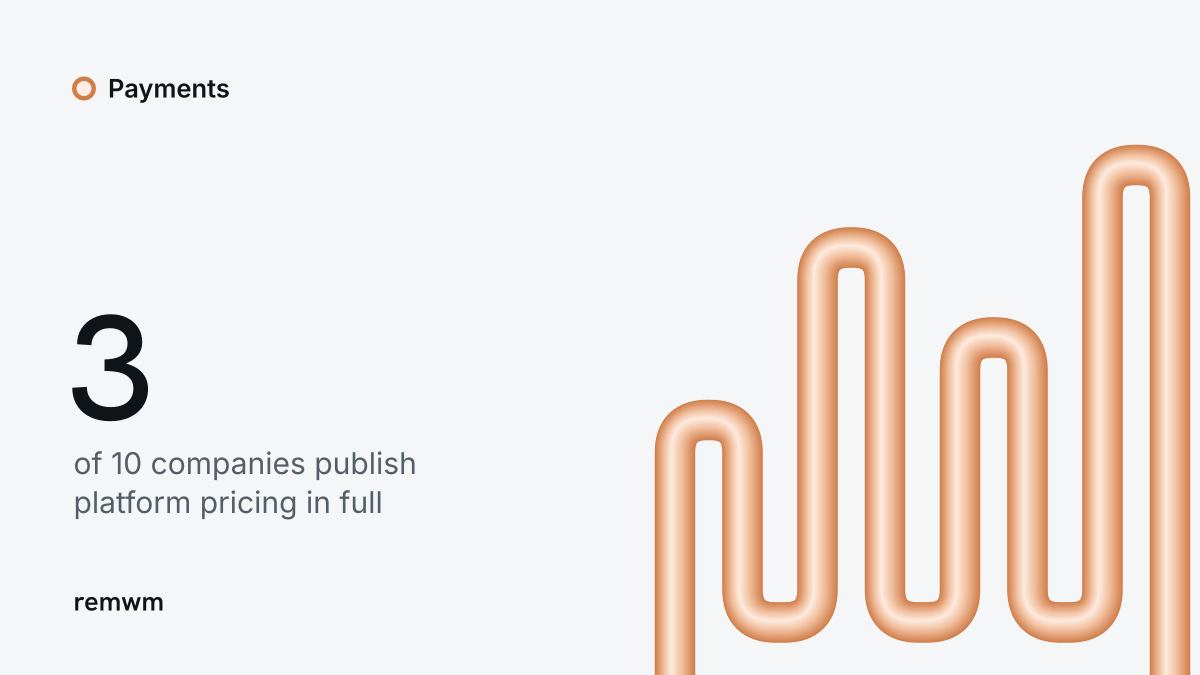
Embedded payments companies: models, liability, pricing
Ten embedded payments companies compared on model, seller-loss liability, onboarding and published pricing.
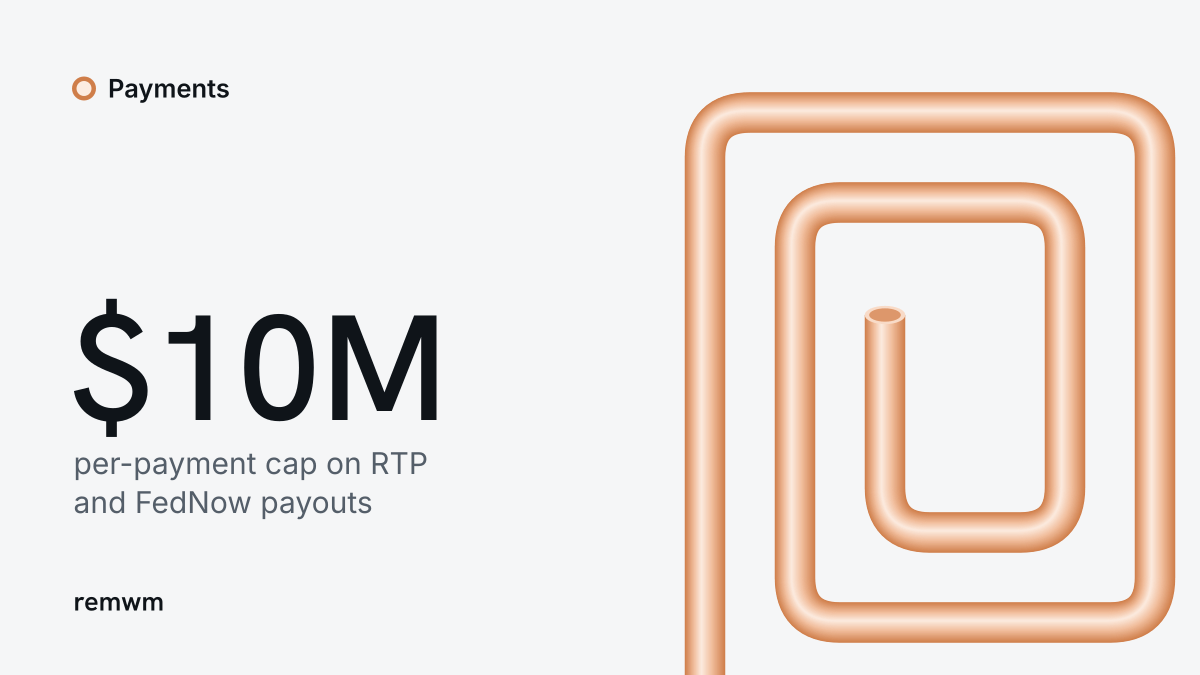
Marketplace payouts: rails, timing and 1099-K rules
How platforms pay sellers, drivers and creators: payout rails, limits, holds, fund custody and 1099-K rules.
Embedded payments: how platforms take payments for users
Who registers as the PayFac, who onboards sellers and whose balance takes chargebacks, model by model.
PayFac vs PayFac-as-a-service: who carries the risk
Who registers with the card networks, who funds sellers and who absorbs the chargebacks in each PayFac model.
Payment gateway API: how it works and what to compare
The endpoints behind a card payment: authorize, capture, refund, tokenize, and the PCI scope each choice creates.
Six payment orchestration platforms compared
Six payment orchestration platforms that meet published criteria, compared on connections, routing, vaults and pricing.
Payment orchestration: how routing across processors works
How one integration can route card payments across several processors, and what it does not replace.
Start with embedded payments for how software platforms accept payments for their users, and payfac vs payfac as a service for who carries the merchant risk. Payment orchestration explains routing across several processors, and payment gateway api covers the API a single processor exposes. Network tokenization explains how Visa and Mastercard tokens replace stored card numbers and who requests them. Money going out to sellers is covered in marketplace payouts. Who the legal seller is, and what providers such as Paddle and Stripe Managed Payments charge to take that role, is covered in merchant of record. How banks give corporates and platforms one account number per customer, entity or user on a single deposit account is covered in virtual accounts.
Providers are compared in embedded payments companies and payment orchestration platforms; news sits in payments infrastructure news.
For operational checks, read marketplace chargebacks.
Questions
What is payment orchestration? A layer that connects a merchant to several processors through one integration and routes each payment between them.
What is a network token? A substitute for a stored card number, issued by the card network for one merchant and updated when the card is reissued.
What is a merchant of record? The business legally selling to the customer, which takes the payment, handles sales tax or VAT and answers chargebacks.
Do these guides cover consumer payment apps? No. They cover the infrastructure that platforms, fintechs and banks buy.