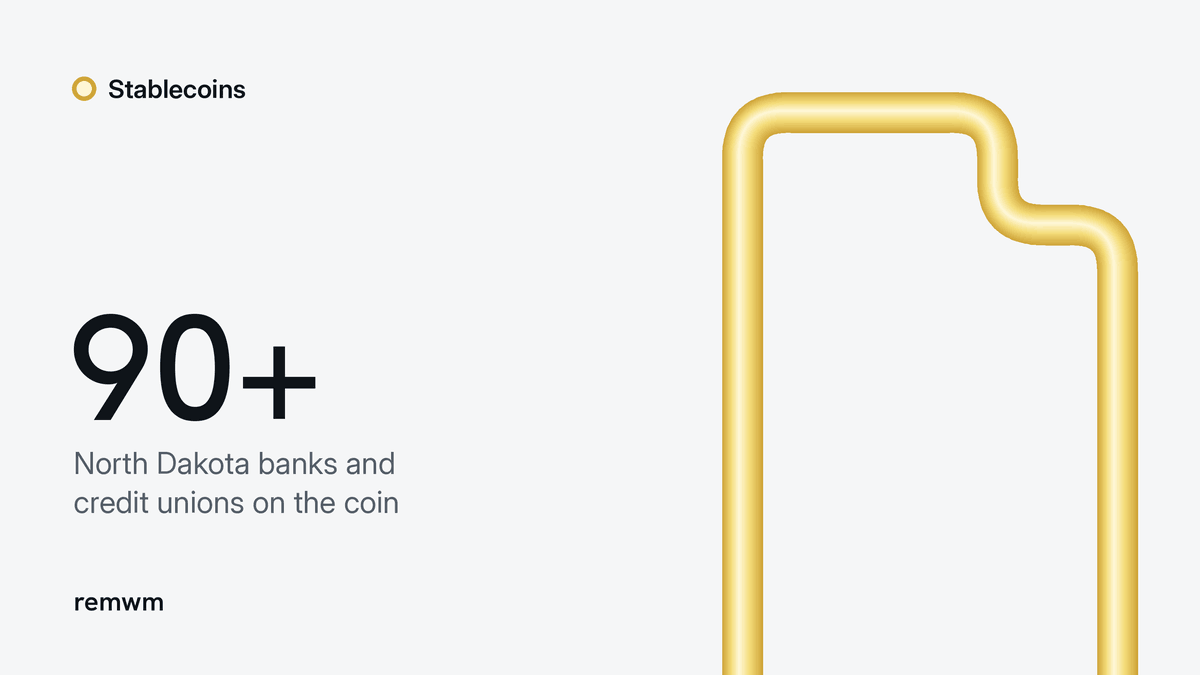
Fiserv said on October 1, 2026 that its digital asset platform is live with financial institution clients. The first live use case is Roughrider Coin, Bank of North Dakota’s dollar-backed stablecoin for payments between banks. More than 90 North Dakota banks and credit unions will reach it through Commercial Center, the Fiserv commercial online banking system they already use for interbank transfers.
What went live
Fiserv’s announcement splits the roles this way:
| Role | Company |
|---|---|
| Program owner | Bank of North Dakota |
| Issuer: minting, burning, custody and reserve asset management | VersaBank |
| Digital asset infrastructure and tokenization services | Fireblocks |
| Blockchain that processes the transactions | Solana |
| Platform, and the banking screens participants use | Fiserv |
Bank of North Dakota uses the platform’s issuance, reserve, custody and settlement functions. Fiserv says the coin gives participating banks and credit unions “a more efficient way to conduct bank-to-bank transactions” and a base for other digital money uses.
The launch follows the plan Fiserv and Bank of North Dakota announced on October 8, 2025, which said the coin would be available to North Dakota banks and credit unions in 2026. Bank of North Dakota’s own page on the project says the public cannot buy or hold Roughrider Coin, and that Fiserv is the bank’s core banking services provider.
Why it matters for banks and their vendors
The coin sits inside software the participating banks already run: Commercial Center, the screen used for ordinary interbank money movement. That is the same approach Volante took when it added volante circle usdc workflows to its bank payment hub in September.
For community banks, the issuer and custody roles sit with VersaBank rather than with each participant. For fintechs and BaaS platforms whose sponsor banks run on Fiserv, it means the bank’s core provider now sells stablecoin rails as a product. Fiserv lists the platform’s other uses as stablecoin card issuance, cross-border payments, programmable commerce, treasury automation, tokenized deposits and U.S. dollar accounts for financial institutions worldwide.
Bank of North Dakota’s project page sets out how it separates the two kinds of digital money: a stablecoin is backed by reserves, while a tokenized deposit, such as JPM Coin, is a bank deposit. Our guide to tokenized deposits covers the same line under U.S. law.
What to watch
- Use beyond North Dakota: Fiserv describes the platform as live “with financial institution clients”, and Roughrider Coin is the first use case.
- The other products Fiserv lists, especially stablecoin card issuance and tokenized deposits, and which banks adopt them.
- The federal GENIUS Act rules for payment stablecoin issuers, followed in stablecoin infrastructure news.
For the wider stack of issuers, custodians and settlement providers, see stablecoin infrastructure. How core providers such as Fiserv fit into a bank’s systems is explained in what is core banking.