Volante Technologies and Circle announced on September 28, 2026 that Volante will bring USDC workflows into its bank payments platform. Banks that run their payment operations on Volante will be able to test minting, redemption and wallet-to-wallet USDC payments in the same system they use for wire and instant payments, without a separate digital asset stack. The announcement describes an evaluation stage, not live bank volumes.
What was announced
Volante sells payments software to banks as a service: the platform that receives, validates and routes a bank’s payment messages across rails such as wires and instant payments. Circle issues USDC through its regulated entities. Under the collaboration, the release says, Volante clients “will be able to evaluate” these USDC workflows:
| Workflow | What it covers |
|---|---|
| Minting and redemption | Turning dollars into USDC and back through Circle |
| Beneficiary wallet registration | Recording the wallet addresses a bank will pay |
| Funding and notifications | Moving money into position and alerting operations teams |
| Wallet-to-wallet payment execution | Sending USDC from one wallet to another |
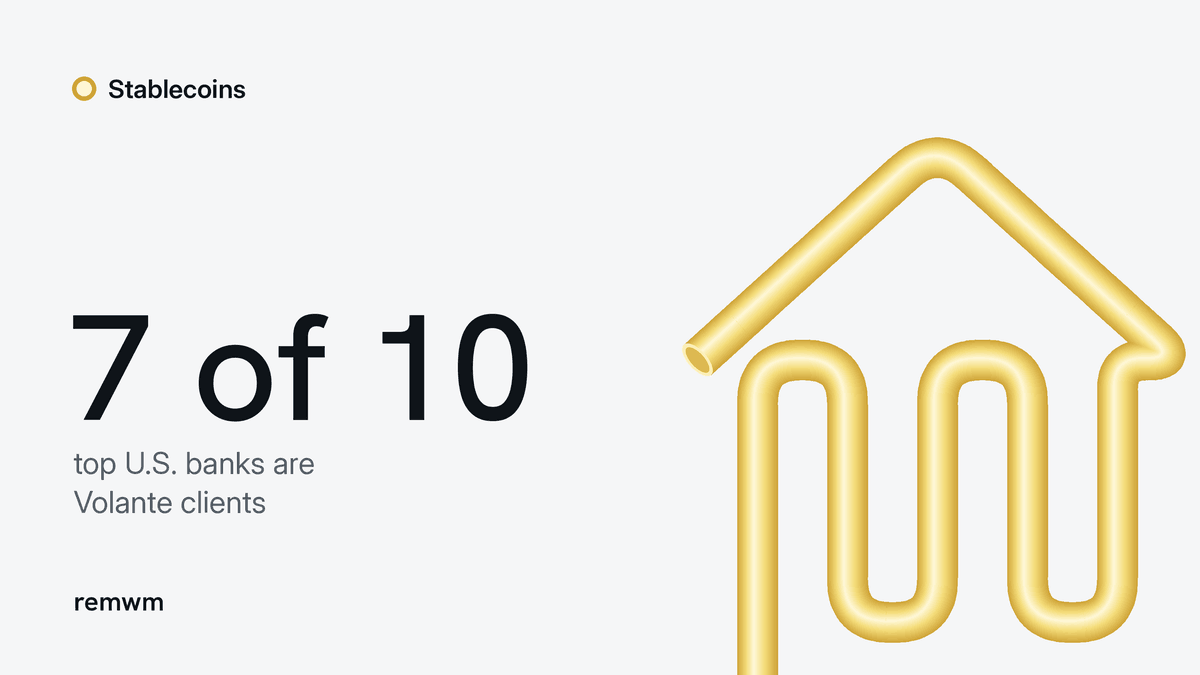
Volante says its clients include four of the top five global corporate banks and seven of the top 10 U.S. banks. The release names no bank that has signed up to test the workflows and gives no date for production use. Volante’s Deepak Gupta said clients “can soon test” the workflows and that the companies look forward to “future collaboration around Circle Mint, potential joint go-to-market opportunities, and USDC via Volante.” Circle Mint is Circle’s service for institutions to mint and redeem USDC.
What it changes for banks and fintechs
For a bank, the practical question with stablecoins has been where they sit in operations. Payment hubs already hold the bank’s controls: limits, sanctions screening hooks, approvals, reconciliation and reporting. Putting USDC inside that layer means a stablecoin transfer can be handled as one more rail next to existing ones rather than in a separate crypto system.
For fintechs and platforms that depend on a bank partner, a bank that can move USDC from its own payment hub is a possible route for on- and off-ramps, treasury moves and payouts outside banking hours. The layers involved are explained in stablecoin infrastructure, and the provider side of paying out in USDC is covered in stablecoin payouts.
What to watch
- Named banks. The first bank to run a test on the Volante platform, and whether it moves to live payments.
- Rules. A bank that holds or moves payment stablecoins will do so under the GENIUS Act rules now being written. Treasury’s August 2026 proposal says the Act’s effective date is expected to be January 18, 2027, and the Federal Reserve has proposed its own rules for the issuers it supervises; see federal reserve genius act stablecoin rules.
- Circle Mint access. Whether banks reach Circle Mint directly or through Volante, which the release lists only as a possible next step.