Coinbase Virtual Accounts will run on Citi’s Virtual Account Wallet, part of Citi Services’ banking-as-a-service offering, the two companies said on September 28, 2026. Fiat paid into the accounts converts automatically into stablecoins. In the other direction, Spring by Citi, the bank’s payment acceptance platform, will let its institutional clients take stablecoin payments at checkout, powered by Coinbase Payments, with Citi settling fiat as the bank of record.
What Citi and Coinbase announced
The expanded collaboration has two parts, both launching first in the United States.
| Initiative | Who provides what | What the client gets |
|---|---|---|
| Coinbase Virtual Accounts | Citi’s Virtual Account Wallet supplies the regulated bank accounts; Coinbase runs the product | “Bank-account-like functionality to accept, hold, and pay funds,” with incoming fiat converted to stablecoins |
| Merchant stablecoin acceptance | Coinbase Payments powers acceptance inside Spring by Citi; Citi settles | Merchants accept stablecoins at checkout and receive fiat, without holding or custodying digital assets |
Citi describes the virtual accounts as an industry first and says its Virtual Account Wallet provides “the regulated banking infrastructure needed to integrate digital asset platforms with the global financial system.”
“By powering our Virtual Accounts with Citi’s regulated banking infrastructure, we’re giving businesses bank-account-like functionality with the speed of stablecoins underneath it,” said Alec Lovett, Head of Infrastructure Product at Coinbase. Shahmir Khaliq, Citi’s Head of Services, called it “a pivotal step” in a strategy to “provide optionality for our clients.”
What Coinbase’s documentation shows
The press release links to Coinbase Developer Platform documentation, where the product is called fiat deposit destinations. As of October 5, 2026 the documentation says:
- Private beta. The feature requires account enablement through a Coinbase representative, and fields may change before general availability.
- API only. Destinations are created and managed through the API and do not yet appear in the Coinbase Developer Platform portal.
- Individuals first. The quickstart issues a destination to a verified individual customer; business virtual account support is listed as “coming soon.”
- USD in, USDC out. A destination can credit incoming dollars as USDC to a Coinbase account, or route each settled deposit on-chain to an external address.
What it changes for fintechs and banks
Virtual accounts are account numbers linked to a real bank account, long used by corporates to identify who paid. Here a large bank supplies that layer to a crypto platform, so the account number a customer pays into is a bank product while the balance the customer sees is a stablecoin.
The checkout half moves the other way. A Citi merchant can show a stablecoin option, and Citi settles dollars to it as bank of record. That is the model covered in accept stablecoin payments b2b and stablecoin payment gateway, now offered from inside a bank’s own acceptance platform.
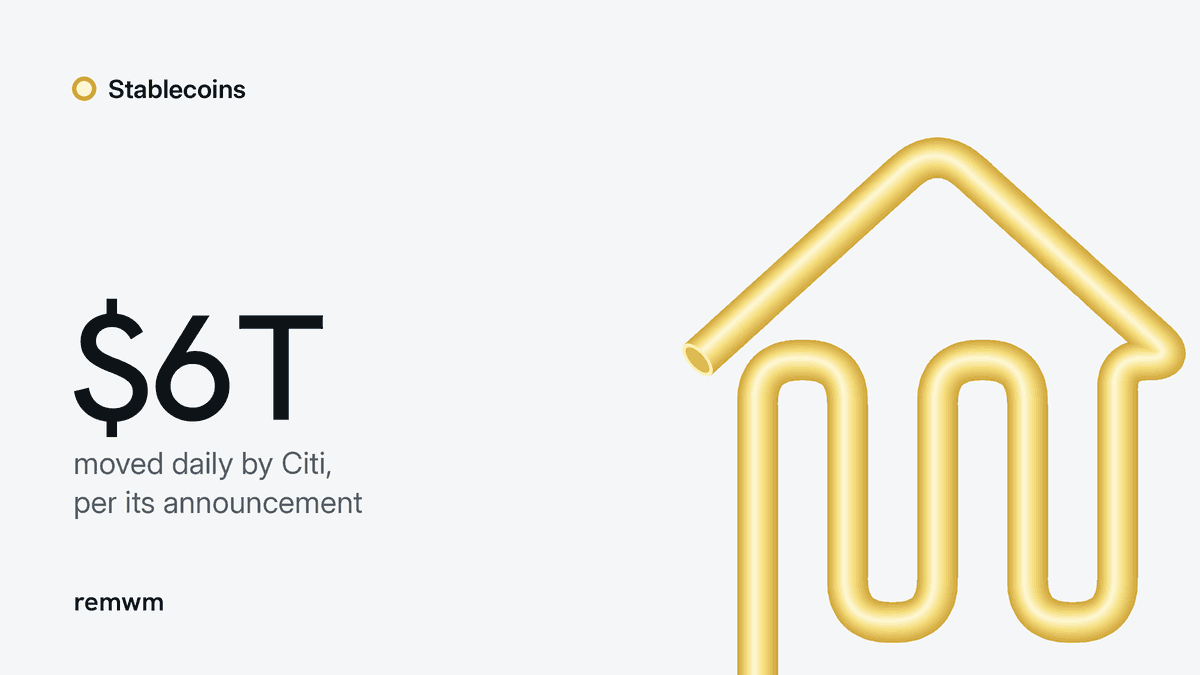
The release places both in a wider Citi program. Citi says it moves about $6 trillion a day and cites its 24/7 USD Clearing and Citi Token Services, the bank’s deposit-token service covered in tokenized deposits. Citi also says it banks 90% of the top e-commerce companies and 15 of the world’s 20 largest fintechs.
What to watch
- When Coinbase opens fiat deposit destinations to business customers.
- Which stablecoins and networks Spring by Citi accepts at launch.
- The “additional capabilities” both companies say they will add in the coming months.