To choose a loan origination system (LOS), start from the loans you make and the rules they fall under, then check seven things: which loan types and stages the system covers, how it hands loans to servicing, which systems it connects to, how it supports compliance deadlines, how it charges, what its APIs expose and how you would leave. Vendors publish enough on most of these to shortlist before the first demo.
1. Match the scope to your loans
An LOS runs a loan from application to funding. MeridianLink describes a mortgage LOS as software that manages “the entire mortgage lending process, from application and underwriting to approval and closing.” Vendors specialize: in our loan origination software comparison, nCino names commercial, small business, consumer and mortgage lending; MeridianLink and Blend name consumer and mortgage; LoanPro names installment loans, lines of credit and credit cards. Write down your loan types, channels and volumes before comparing.
2. Decide where origination ends
Origination and servicing are often separate systems. LoanPro lists “servicing handoff,” the real-time creation of the loan account, as the last stage of origination; its loan management system then covers servicing, payments and collections. Canopy positions itself as the “post-origination ledger” for everything after approval. Ask how a funded loan reaches your servicing system and what data travels with it.
3. List the integrations you need
An LOS pulls data from credit bureaus, verification and document tools and pushes loans to the core. nCino’s Integration Gateway names pre-built connectors for Equifax (credit bureau), DocuSign (e-signature) and Jack Henry (core banking). MeridianLink Mortgage lists a pricing engine, point-of-sale, document management and integrations for e-signature, credit and compliance, plus open APIs to core and digital banking systems. Check each connector you need against the vendor’s list, and ask who maintains it.
4. Check the compliance clocks
Several U.S. rules set deadlines the system has to track:
| Rule | What it requires | What the LOS must record |
|---|---|---|
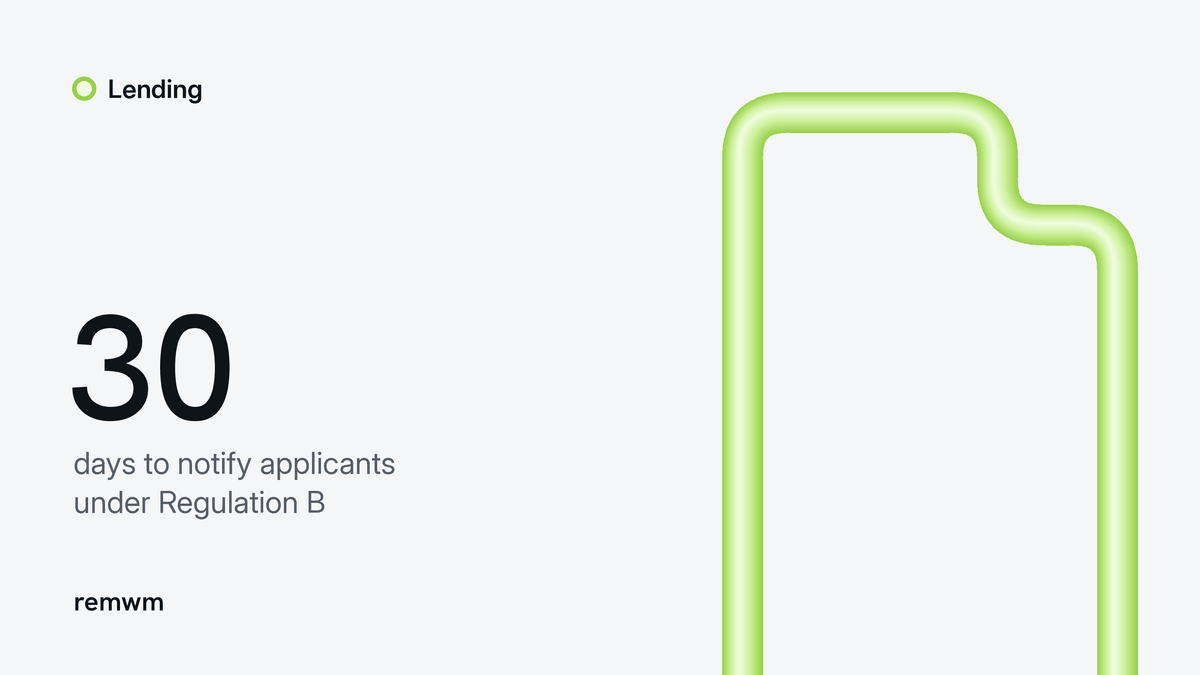
| Regulation B (12 CFR 1002.9) | Notify the applicant of approval, counteroffer or adverse action within 30 days after receiving a completed application | When the application became complete and when the decision was sent |
| Regulation Z, TRID (12 CFR 1026.19(e)) | For most closed-end mortgages, deliver or mail the Loan Estimate no later than the third business day after receiving an application | When the six items that make an application were collected: name, income, Social Security number, property address, estimated property value and loan amount |
| Regulation V (12 CFR 1022.72) | Send a risk-based pricing notice when a consumer report leads to materially less favorable terms | Which report was used and how terms compared |
Vendors also name the rules their tools support. Blend says Blend Autopilot is designed to support GLBA, ECOA, Regulation B and FCRA; LoanPro lists the CARD Act, TILA, SCRA and PIPEDA. Treat these as the vendor’s statements, and have your compliance team test the workflows.
5. Understand the pricing model
Published models differ, and they change your cost per loan:
- Per application or per funded loan. MeridianLink’s fiscal 2024 annual report describes volume fees per application for consumer loans and deposit accounts and per funded loan for mortgages, above contractual minimums.
- Per completed transaction. Blend charges on completed transactions, such as a funded loan, and nothing for abandoned or rejected applications.
- Asset-based subscription. nCino says it moved from seat-based pricing to fees aligned with the assets of the business lines it supports.
Model your approval rate and volume under each. A per-application fee costs more when many applications are declined.
6. Read the API documentation
Public API documentation shows what you can automate before you sign. nCino, Blend and LoanPro publish developer portals; MeridianLink publishes public documentation for its mortgage web services. Check whether the APIs cover application intake, decision data, document upload and status webhooks.
7. Plan the exit
Ask how you get your data out: loan files, documents, decision records and audit trails, in which format and at what cost. Regulation B requires creditors to keep application records, so the data has to survive a change of system.