Kipp’s acquisition by an investor group led by The Lifetime Value Company gives the payments platform new backing as it seeks to expand its US issuer and merchant network. Kipp announced the deal on October 29, 2026, and said it would continue operating independently under its founders.
The price of the deal was not disclosed.
The platform focuses on card transactions that would otherwise be declined for insufficient funds. In Kipp’s model, a merchant can pay a premium for an eligible transaction, while the issuer decides whether to approve it and sets the price required for taking the additional risk. Kipp says the consumer pays no additional fee.
What the acquisition changes
LTVCo and its founders lead the investor group. Kipp says the new ownership will support investment in technology, partnerships and US expansion. The announcement did not provide a timetable for particular product changes.
Chanan Lavi remains CEO and Nir Levy remains CTO. Kipp also named Jeff Stiefler executive chairman, Adam Coyle a strategic advisor and Randy Christofferson a board member. These appointments accompany the ownership change; the company did not announce a new payment product as part of the deal.
LTVCo operates consumer brands including BeenVerified, Bumper and Ownerly. Its merchant experience is relevant to the investment: a decline can mean a lost sale for a seller, even when the issuer has applied its own risk rules.
How the transaction decision works
Kipp describes its service as a real-time decisioning layer connecting issuers and merchants, rather than a payment processor. When an issuer is about to decline a transaction for insufficient funds, the platform checks whether the merchant will pay a predefined premium. The issuer determines eligible transactions and customer segments and retains the approval decision.
That distinction matters. A merchant paying a premium does not guarantee approval, and the announcement does not say that all insufficient-funds declines qualify. Kipp says it can connect to issuer infrastructure directly or through the issuer’s processor, and that merchants do not need a technical integration on their side.
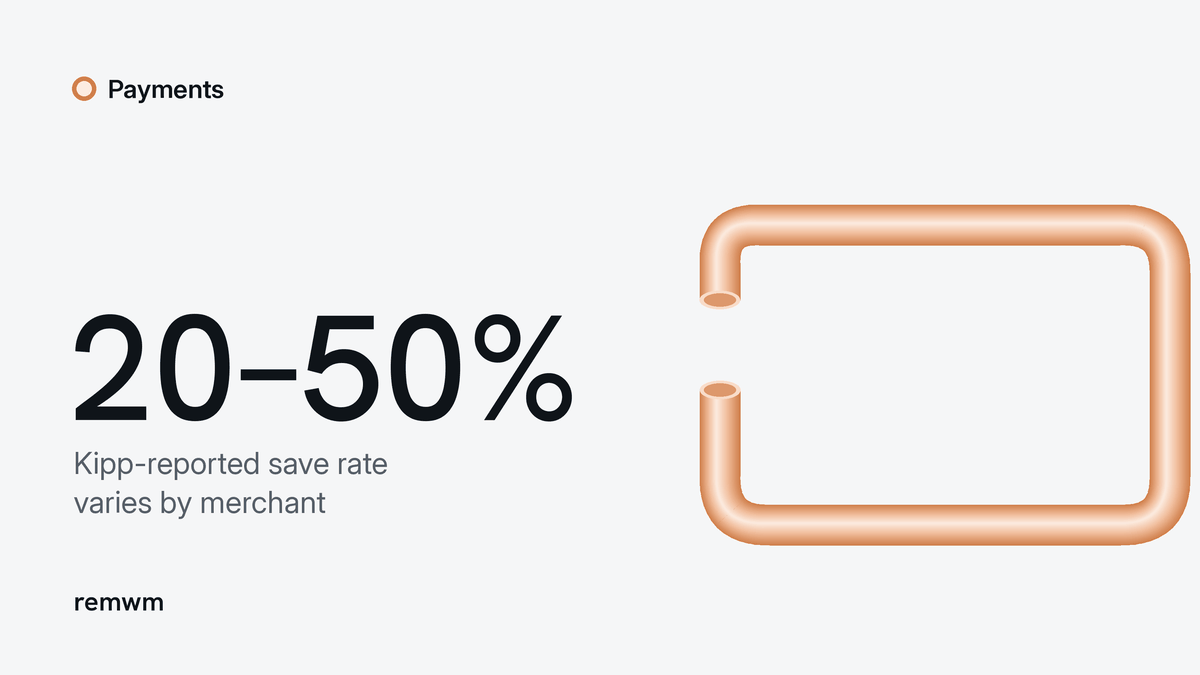
The company reports save rates of 20% to 50%, depending on the merchant. That is Kipp’s own range for transactions otherwise headed for an insufficient-funds decline, not an independently verified rate or a forecast for a particular merchant. Results for a business would depend on which transactions and customers are eligible, the issuer’s rules and the cost of the premium.
What to watch
For payment teams, the practical question is whether recovered sales justify that extra cost and the operational work of measuring them. Issuers must decide what risk they will accept; merchants need to understand eligibility and pricing before treating a recovered transaction as incremental revenue.
The acquisition gives Kipp a stated expansion plan, not a published launch schedule or a quantified growth target. Teams considering the service should ask for the current commercial terms and measure their own outcomes. For background on the different roles in a card transaction, see card issuing versus acquiring.