BMO and Mastercard said on October 1, 2026 that eligible BMO Corporate Card clients in Canada and the United States can now create and manage BMO Commercial virtual card payments inside the software they already run: enterprise resource planning (ERP), procurement, accounts payable and travel systems. The embedded commercial payments capability uses Mastercard’s Commercial Express framework, and BMO says it is the first Mastercard issuer in Canada to offer it.
What was announced
According to the joint announcement, finance teams can initiate, approve and reconcile virtual card payments for supplier invoices, travel and corporate expenses without leaving the platform where the work happens. A virtual card is a card number issued for a payment or a supplier, with no plastic. The capability works through “participating enterprise software platforms”.
| Item | What the announcement says |
|---|---|
| Issuer | BMO, for eligible Corporate Card clients |
| Network framework | Mastercard Commercial Express |
| Markets | Canada and the United States |
| Where payments start | ERP, procurement, accounts payable and travel management systems |
| Uses named | Supplier invoices, travel, corporate expenses |
| Date | October 1, 2026 |
How the model works
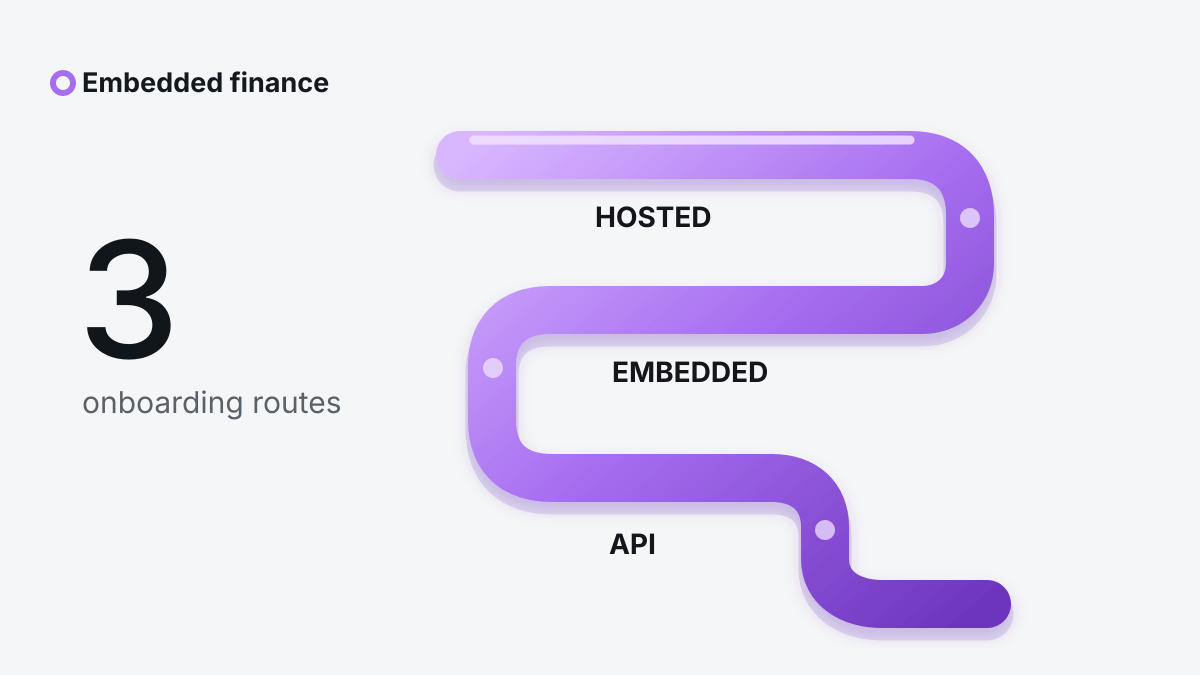
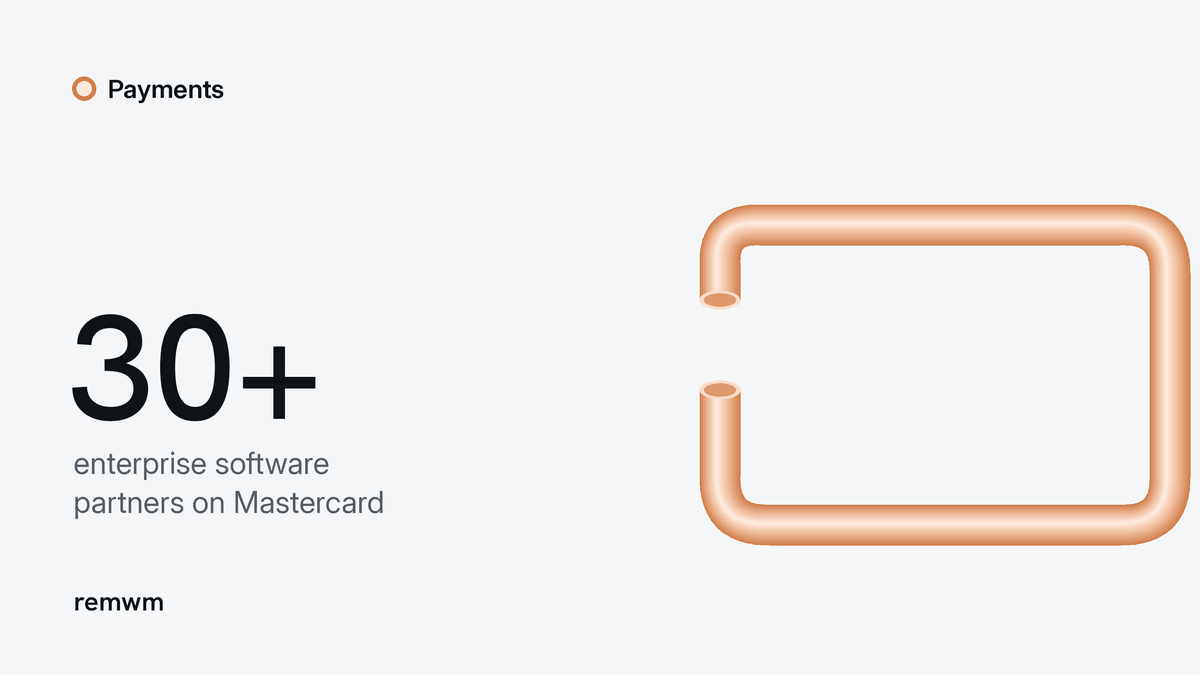
Commercial Express is described as a standardized framework that lets software platforms enable issuer-backed virtual card payments with less setup between each platform and each issuer. Mastercard started this approach in March 2025, when it said banks using its virtual card number (VCN) technology could enable enrolled platform partners from April 1, 2025, so that banks and platforms “no longer need to directly engage with one another” for contracting and technical vetting. In October 2025 it added the Commercial Connect API, a single connection for B2B platforms to its issuer network, and listed integrations with SAP Concur, SAP Taulia, Pay4You and others. Mastercard’s embedded finance page now cites more than 30 enterprise software partnerships.
The BMO launch is the bank side of that model: one large issuer making its corporate card program reachable through the framework.
Why it matters for platforms and issuers
For B2B software companies, a network framework replaces one-by-one bank integrations. A procurement or AP platform that connects once can offer card payments funded by its customers’ existing corporate card lines, from banks that join the framework. That is the same pattern behind embedded payments, applied to the buyer’s side of a B2B transaction rather than to acceptance.
For card issuers and their program managers, it raises the bar. A corporate card that cannot be used inside the client’s ERP or AP tool competes against one that can. Two questions for any commercial card issuer now are whether it supports network-led embedded frameworks and how virtual card data flows back for reconciliation. Our guide to virtual card issuance covers how single-use and merchant-locked cards are issued and controlled.
For fintechs building b2b embedded finance products, the announcement shows large banks choosing the network as the integration layer. A fintech offering its own commercial card through a sponsor bank now competes with incumbent issuers that platforms can reach the same way.
What to watch
- Which software platforms list BMO virtual cards.
- Other issuers joining Commercial Express in Canada and the United States.
- The additional B2B payment capabilities Mastercard said in October 2025 it planned to add to the Commercial Connect API.