Liquidity Services has implemented Flywire for domestic and cross-border business payments on its e-commerce marketplace, Flywire said on October 29, 2026. The integration puts payment options inside the customer portal and combines reporting across payment methods and currencies.
The announcement describes an existing implementation, not merely a plan. It does not disclose the contract value or say when the integration went live.
What the marketplace uses Flywire for
Liquidity Services operates online marketplaces for surplus and idle assets. Buyers may purchase equipment or other goods from corporate and government sellers, making collection and reconciliation relevant to the marketplace’s finance operations as well as to the checkout experience.
Flywire says its API connects to the Liquidity Services customer portal. According to the announcement, the implementation gives buyers localized payment options and automates reconciliation that previously involved manual work across bank transfers, credit cards and multiple providers.
The companies also cite a surcharging program and faster refund processing. Flywire says the program lowers interchange costs, but the release does not quantify the savings, refund timing or volume processed through the new arrangement. Those results should not be treated as benchmarks for another marketplace.
Network coverage versus customer results
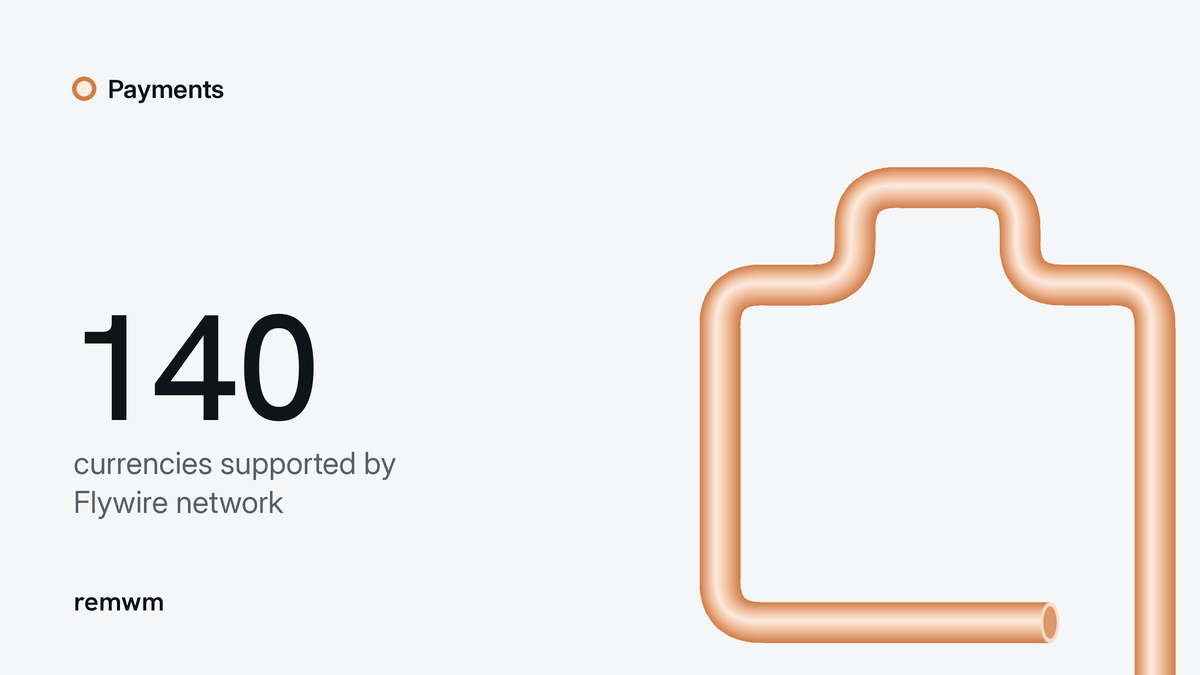
Flywire says buyers can use its network across more than 240 countries and territories and 140 currencies, with more than 1,200 local payment methods. These are claims about the network’s stated reach, not a count of countries, currencies or methods used by Liquidity Services.
Availability can differ by corridor and payment method. A marketplace considering a similar setup would need to confirm which options are available for its buyers, the settlement currencies, fees and any restrictions in each market.
Liquidity Services says it has completed more than $15 billion in transactions over its history. That figure describes the marketplace’s cumulative activity, not payments processed by Flywire under this agreement.
Why reconciliation matters
When a marketplace accepts several payment methods, a successful payment still needs to be matched to the right buyer and transaction. Consolidated reporting can reduce the manual work of checking separate providers, but implementation teams should test how exceptions, refunds and incomplete references appear in their own records.
The release says know-your-customer checks are built into the workflow. It does not describe the allocation of compliance responsibilities between the companies or give enough detail to evaluate the controls. Businesses comparing providers should ask how checks, exceptions and audit records work in their specific setup.
For more on the operational side, see card program reconciliation.